

The problem isn't that the brake pads wear out… the problem is that you don't realize they need replacing until it's too late!
Car brake pads wear down with every use of the brakes, but the signs of wear aren't always obvious from the start. You might notice a slight noise or a change in brake response and continue driving normally until the wear starts affecting other parts of the braking system. Therefore, knowing the importance of changing car brake pads and when the right time is to do so helps you detect the signs early and prevent a simple repair from becoming a bigger problem.
Why is it important to changing car brake pads on time?
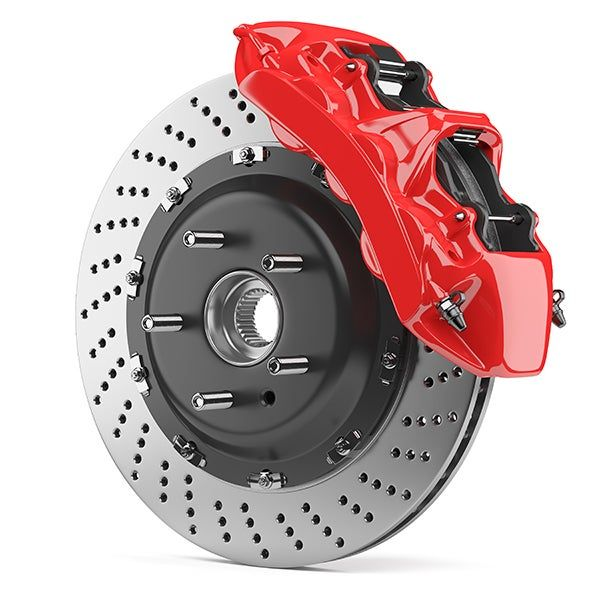
Changing brake pads isn't just about eliminating noise. The truth is, worn pads affect brake response, and delaying replacement can lead to damage to the rotors, resulting in more extensive repairs.
- Maintaining brake response: Worn pads can increase stopping distances, so changing car brake pads on time helps maintain their responsiveness.
- Protecting rotors from wear: If the friction material wears out, the metal of the pad can start rubbing against the rotor and damaging it. Therefore, changing them promptly protects you from more expensive repairs.
- Reducing the likelihood of increased repair costs: Changing pads before wear reaches the rotors allows you to address the problem while it's still limited.
That's why the real benefit isn't just installing a new pad, but stopping wear before it affects brake performance or necessitates repairs to other parts.
What happens if you delay changing car brake pads?
The delay doesn't stop at the pads themselves wearing out. As the friction material decreases significantly, the metal part begins to press against the rotor. With continued wear, the rotor surface can become damaged, and the repairs can escalate from simply replacing the pads to inspecting or replacing other parts. Therefore, knowing when to changing car brake pads early helps you stop the problem while it's still localized, preventing it from spreading to the rest of the braking system.
And here's the most important question:
How do you know when it's time to changing car brake pads?
Not every sign means your brake pads are worn out, but there are some indicators that warrant checking and shouldn't be ignored:
- A new squeal when braking: This could indicate worn brake pads, so check their thickness if the sound is recurring .
- A metallic grinding noise: This could mean the friction material has worn down significantly and the metal is rubbing against the rotor.
- Longer stopping distance: Changes in brake response warrant inspection because worn pads could be one of the causes.
- Vibration when braking: This could be related to the pads or rotors, so it needs diagnosis before replacement.
- Brake pad wear warning: If your car has a dedicated sensor, don't ignore the warning and check the condition of the pads.
- Thin pad thickness: A physical inspection is the most accurate way to determine if your brake pads need replacing, even if there aren't obvious signs.
If you notice one or more of these signs, it's best to start by checking the brake pads and their condition. Knowing when to replace them is more important than guesswork, and it makes choosing the right part for your car easier, especially if you're buying from a reliable source like frmlha.
Choose the right one for your car from frmlha
When should you changing car brake pads?
The replacement time isn't based on a fixed number of kilometers. What's more important is the pad's thickness and its actual condition. Generally, if the friction material is close to 3-4 mm, this indicates that it's time to changing car brake pads. However, the most accurate reference point is the specific range for your car.
To avoid waiting until you hear a squealing noise or experience a change in braking feel, make checking the pad thickness part of your routine maintenance. This will allow you to know how much pads are left and replace them early before wear reaches a stage that damages the rotors or necessitates more extensive repairs.
But if mileage isn't a fixed replacement time, what makes the lifespan of brake pads vary from one car to another?
Why can't you determine when to change your brake pads based solely on mileage?
Because the odometer only counts the distance traveled and doesn't account for braking frequency or driving conditions. So, a car driven daily in heavy traffic with frequent stops might wear out faster than a car that travels a greater distance on open roads, even if the first car's odometer reads much lower. Other factors come into play, such as braking force and frequency, the vehicle's load, the pad's construction, and its heat resistance.
The odometer provides an indicator, but the real decision depends on the condition of the pads themselves. Once you're certain they need replacing, the next step is choosing the right pads for your car.
How to Choose the Right Brake Pads When You Change Them?
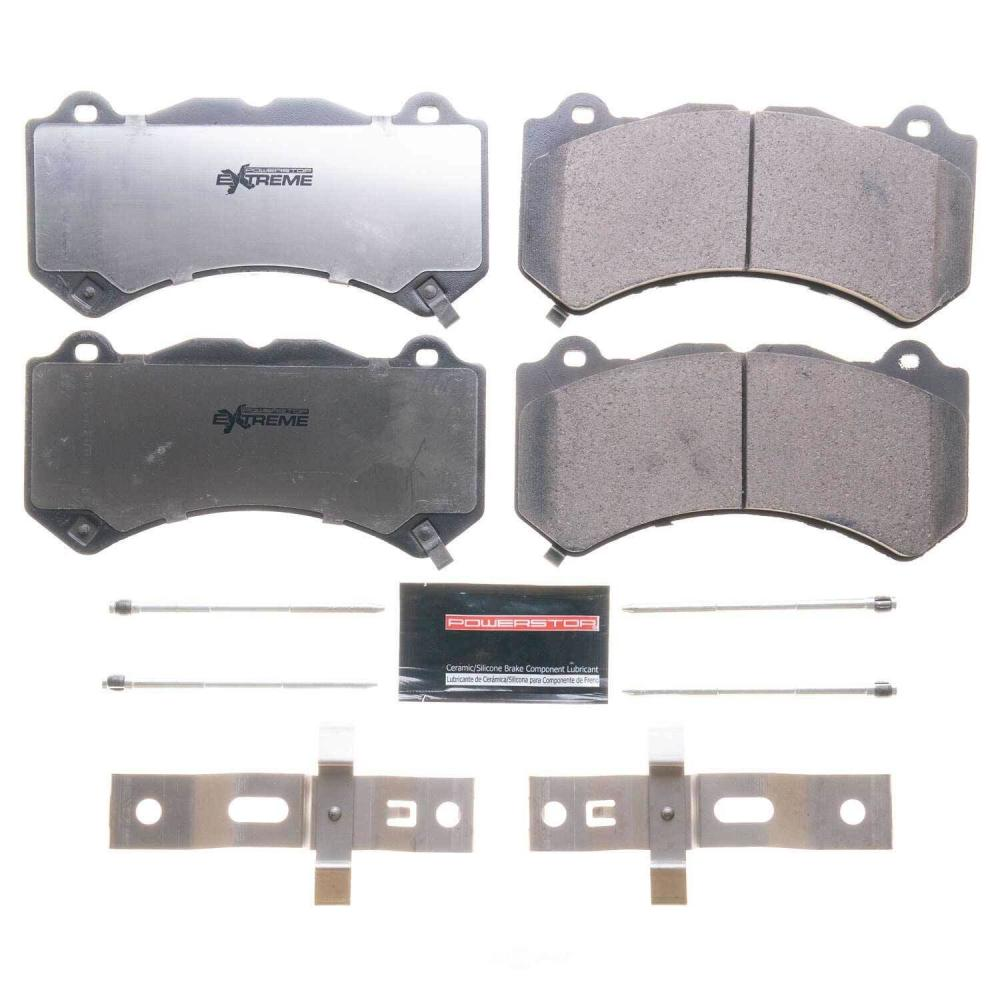
Once you know it's time to change your brake pads, the most important thing is to install the right ones for your car. Just because they're new doesn't automatically mean they're the right choice, so focus on three points:
Compatibility: Make sure you know the model, year, trim, and part number, as the same car can have different brake pads depending on the equipment.
Blade Specifications: Choose the type and specifications that best suit your car's braking system and your needs, rather than basing your decision solely on price.
Reliable Source: Get the part from a source that clearly explains compatibility and specifications to reduce the chance of choosing the wrong pads.
To make your choice easier from the start, stick with a source that clearly explains compatibility and part specifications. You can rely on frmlha to find the right brake pads for your car without guesswork.
Don't take risks with your choice… stick with frmlha.
What should be checked when changing brake pads?
Simply installing new brake pads isn't enough if there's another cause of wear. Therefore, when changing car brake pads, have the mechanic inspect the rotors, caliper movement, slides, and clips to ensure even wear on both sides. A damaged rotor or a caliper that isn't moving properly can affect the new set from the start.
And that's not all. After installation, a second step begins to help the brake pads reach their optimal performance.
What should you do after installing new brake pads?
After changing car brake pads, they need to be broken in so that the friction material is distributed evenly across the brake disc surface and reaches its normal performance. Therefore, don't rely on a fixed number of kilometers and follow the pad manufacturer's instructions. Avoid harsh braking initially unless absolutely necessary, as the breaking-in method varies from one set to another.
Conclusion
Ultimately, the difference between a driver surprised by a brake problem and one who addresses it early isn't about the type of car or luck, but about when they notice it. Someone who monitors their brake pads and maintains them regularly can catch a problem while it's still minor. But someone who waits until obvious signs appear might find themselves facing more extensive repairs at an unexpected time.
Ultimately, knowing it's time to changing car brake pads isn't enough. The right decision comes with choosing the right pads for your car from a trusted source. This is where frmlha comes in, ensuring your choice is based on trust, not guesswork.
Reach your choice faster and from a trusted source only with frmlha.