Brake pads are among the most important parts of a car's braking system, as they are directly responsible for safely stopping the vehicle. With frequent use, brake pads gradually wear out, which can affect braking efficiency and endanger the driver and passengers.
In this article, we will explain how to check the brake pads in your car yourself step by step without having to go to a workshop, while also explaining the signs that indicate the need to change them, and tips to maintain the life of the brake pads for as long as possible.
What are the brake pads in a car?
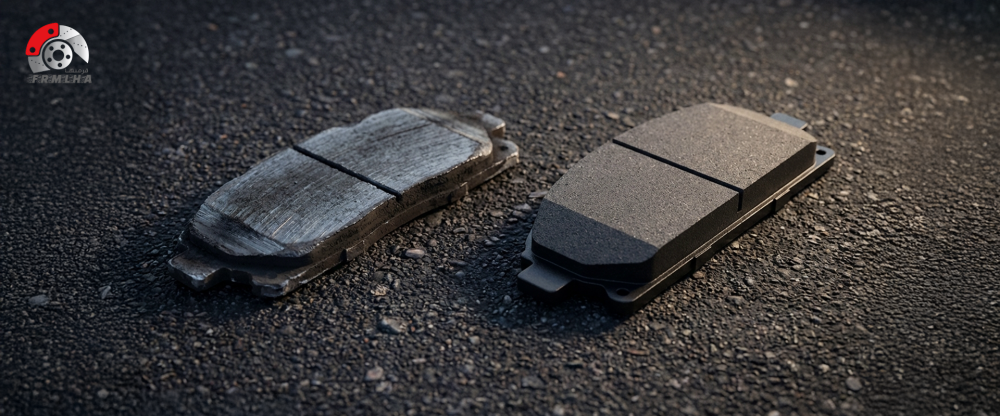
Brake pads in a car are an essential part of the braking system. They work by rubbing against the brake discs to slow the car down or stop it. When the brake pedal is pressed, the pads apply a measured amount of force to the disc, generating the friction necessary to bring the car to a stop.
Over time, the thickness of the carbon brushes decreases as a result of continuous friction, and this is when the need for inspection or replacement arises.
The importance of regularly checking the brake pads in your car
Regularly checking your car's brake pads helps you to:
- Maintaining safe driving
- Avoid damaging brake discs
- Reducing maintenance costs
- Ensuring a rapid response from the braking system
Neglecting to check the brake pads can lead to weak brakes or annoying noises, and may even develop into a complete failure of the braking system.
When should the brake pads in a car be checked?
Carbonate testing is recommended in the following cases:
- When you hear a squeaking or grinding noise while braking
- When you feel a weakness in the brake response
- After traveling a distance of between 30,000 and 50,000 km (depending on the type of coal)
- When the brake warning light comes on in some modern cars
Tools required to check the brake pads in a car
Before you begin, you will need:
- spotlight
- Screwdriver or wheel wrench (in case of tire removal)
- Safety gloves
- Jack (car jack) if needed
How to check your car's brake pads yourself, step by step
First step: Park the car safely
- Park the car on level ground
- Turn off the engine
- Pull the handbrake firmly.
Safety at this step is essential before starting any examination.
Step two: Inspect the carbon brushes externally
In some cars, the brake pads can be seen inside the car without removing the frame:
- Look through the car's rim
- Use a flashlight to determine the thickness of the carbon brushes.
- If the thickness is less than 3 mm, this is an indication that a change is imminent.
Step three: Remove the frame (if necessary)
If you cannot see the coals:
- Use the jack to lift the car
- Carefully remove the frame
- The entire brake system will be displayed (caliper - disc - brake pads)
Step four: Measure the thickness of the carbons
- Visually inspect the thickness of the carbonates.
- Safe thickness is usually greater than 3–4 mm
- If you notice severe wear or uneven wear, replacement is necessary immediately.
Step five: Disc examination
When checking the brake pads in your car, don't forget:
- Make sure the surface of the disc is smooth.
- No scratches or deep wear
- Disc damage may be a result of neglecting to change the carbon brushes in a timely manner.
Signs that indicate worn brake pads in a car
There are several signs that should not be ignored, including:
- A squeaking or grinding sound when braking
- steering wheel vibration
- Increase stopping distance
- Car swerves while braking
If any of these signs appear, the carbon brushes in the car should be checked immediately.
Common mistakes when checking brake pads in a car
- Relying solely on sound without actual examination
- Ignore the back carbons
- Using non-original carbon brushes
- Do not change the brake pads on both sides simultaneously.
These errors can significantly affect brake performance.
Tips for extending the life of brake pads in your car
To keep the brake pads in the car for as long as possible:
- Avoid sudden braking as much as possible.
- Maintain a safe distance
- Use high-quality carbon
- Get a check-up every few months
The best place to buy brake pads for your car
Choosing the right carbon brushes is just as important as the inspection.
The Framlha website offers a distinguished range of high-quality car brake pads and products, suitable for various types of cars, relying on reliable materials that ensure:
- Higher security
- Consistent performance
- Longer lifespan
Relying on a reliable source like its brakes helps you maintain the efficiency of your braking system and avoid sudden breakdowns.
Summary
Checking your car's brake pads yourself isn't complicated, but it's a crucial step for your safety and the safety of your vehicle. By following the steps above, you can detect any problems early and avoid significant repair costs later.
And don't forget that choosing the right brake pads from a trusted place like a brake shop plays a big role in improving brake performance and ensuring safe driving at all times.