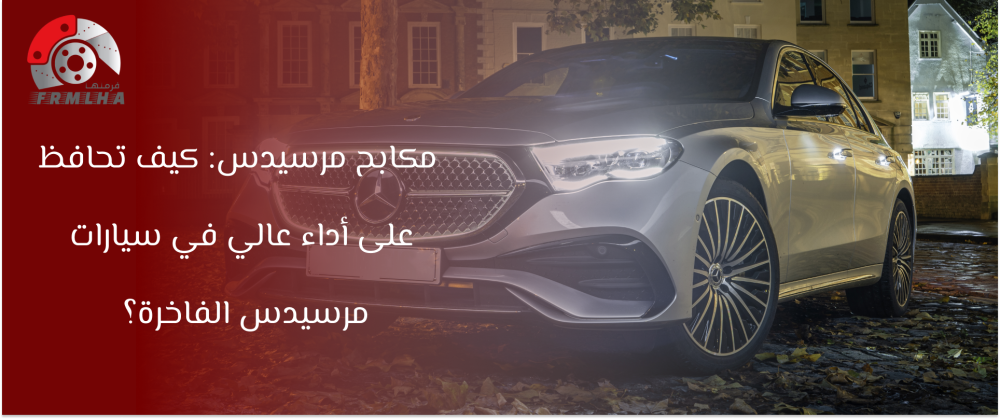

Smart maintenance options to maintain stronger braking performance in Mercedes cars, ensuring a safer and more comfortable drive.
1. Check and replace brake fluid regularly.
Brake fluid absorbs moisture over time, leading to system corrosion and increased evaporation, which reduces braking effectiveness. It is recommended to replace it every two years or as per the manufacturer's recommendations, such as those of Mercedes.
2. Monitor the thickness and wear of the brake pads.
Check that its thickness is at least 3–4 millimeters, and replace it immediately if a squeaking or grinding sound is heard, as this is a sign of serious wear.
3. Check and inspect the rotors regularly.
If you feel a vibration or pulsation when applying the brakes, the discs may be deformed. It is advisable to have them resharpened or replaced as needed.
4. Rely on genuine and tested parts
Genuine Mercedes car parts are specifically designed for the required performance and outperform generic or low-quality alternatives in durability and efficiency.
5. Adopt a gentle and conscious leadership style
- Gradual deceleration instead of sudden braking to preserve brake life.
- Avoid overloading to reduce stress on the system.
- Caution at high speeds to avoid "brake fade" caused by overheating.
6. Ensure regular maintenance by Mercedes specialists.
It is recommended to have the brake system inspected every 10,000–15,000 miles or annually. Using a certified workshop or qualified technician is advised to ensure quality and safety.
Periodic inspection of all components of the braking system
- Frequent visual inspection of brake pads and discs, calipers, ABS lines and brakes to detect wear, cracks or leaks
Maintaining the quality of brake fluids
- The liquid level and appearance should be checked: a dark or cloudy color indicates contamination and requires replacement.
- A clean fluid that reduces moisture absorption and raises its boiling point, thus reducing the risk of brake fading.
When should you worry?
– Clear squeaking or grinding sounds.
Vibration when braking.
- A longer stopping distance than usual.
Brakes that apply pressure in a “washed” or spongy manner.
- Warnings on the dashboard related to the brakes or ABS system.
- The car swerves during braking or there is a fluid leak.
In such cases, the system should be checked without delay.
Where can you find the best Mercedes car brakes?
The website offers you brake it A premium range of braking systems suitable for all Mercedes models. We offer genuine, high-quality products with excellent customer service and competitive prices.