
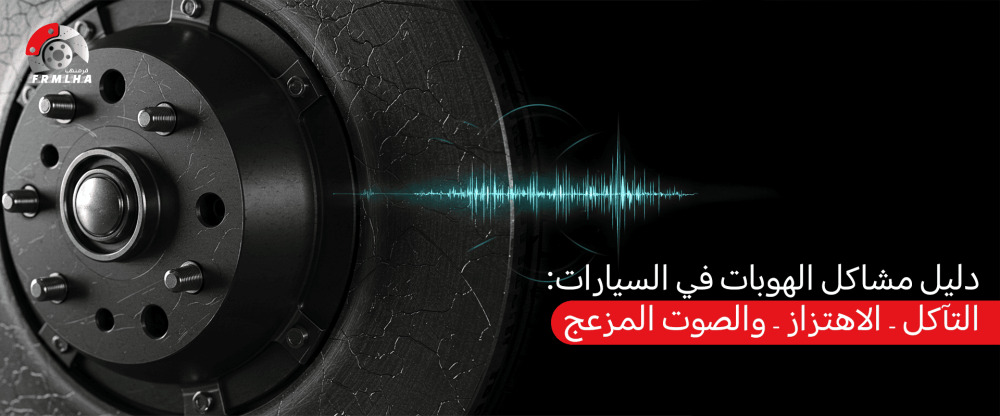

Brake rotors are essential components of a car's braking system, as they are responsible for stopping the wheels when the brake pedal is pressed. Over time and with frequent use, a number of problems can arise, affecting the car's performance and driving safety. These problems are known as brake rotor issues , and they include several signs, most notably wear, vibration, and unusual noises during braking. This article provides a comprehensive guide to the most common brake rotor problems, their causes, and how to address them.
Corrosion is the silent enemy of hobbies:
It is Wear is one of the most prominent and common problems affecting brake rotors in cars. It occurs as a result of continuous friction between the rotors and brake pads, especially under harsh driving conditions or when using non-genuine parts.
Causes of corrosion:
- Using brake pads of poor quality or that are not compatible with the type of rotors.
- Frequent driving on mountainous or busy roads, which requires frequent braking.
- Ignoring the replacement of the brake pads when their lifespan is up leads to metal-on-metal friction.
Signs of corrosion:
- Reduced brake efficiency.
- The presence of visible scratches or pits on the surface of the hubs upon visual inspection.
- Increase the distance required for the car to stop.
Dealing with the problem:
- Regularly inspect the brake rotors and pads every 10,000 km or as recommended by the manufacturer.
- Use genuine or certified spare parts.
- Replacing the rotors when there is deep wear that cannot be repaired by turning.
Corrosion, although it occurs gradually, poses a real danger if not addressed early. It is one of the main reasons why brake rotor problems worsen over time.
Vibration during braking is an indication of clear damage:
One of the most noticeable problems drivers experience while driving is vibration when braking, often caused by a warped or dented brake rotor surface. This type of rotor problem not only affects driving comfort but also the overall safety of passengers.
Causes of vibration:
- Excessive overheating of the rotors due to frequent braking at high speeds.
- The hubs are installed unevenly or there is damage to one of the tires.
- Damage to the suspension system or other parts related to the wheels.
Signs of this:
- Vibration in the steering wheel when braking.
- A feeling of instability in the car or a slight swerve during braking.
- Hearing a faint sound that resembles intermittent friction.
Suggested solutions:
- Re-machining the rotors if the dent is minor.
- Replace the hubs if there are large cracks or bends.
- Check the suspension system and tires periodically.
Vibration is not only a sign of a faulty rotor, but it can also indicate a more serious problem in the braking system. Therefore, it should be taken seriously to prevent rotor problems from worsening.
The annoying noise is the first warning sign of a problem:
The rattling noise when braking is often the first warning the system gives before more serious problems develop. The sounds vary from a soft squeal to a loud, metallic whistle, each indicating a different degree of wear on the rotors or brake pads.
Causes of annoying noises:
- The brake pads have completely worn out and metal-to-metal friction has begun.
- The presence of impurities or dust between the hoops and the tiles.
- Using unsuitable or non-compliant materials in the manufacture of brakes.
Common types of sounds:
- A slight squeaking sound : often indicates minor wear and tear or dirt buildup.
- A sharp whistling sound : indicates that the brake pads are completely worn out or that there is a defect in the installation of the rotors.
- A rough, grinding noise : This may be caused by cracks or ripples in the hub surface.
How to deal with it:
- Clean the entire system using dedicated, oil-free tools.
- Replace worn brake pads immediately to avoid damaging the hubs.
- A specialized workshop will review the condition of the rotors to determine whether they need maintenance or replacement.
Annoying noises can sometimes be embarrassing, but they are actually an important way to alert the driver to problems with the rotors that could develop if ignored.
Conclusion:
Understanding brake rotor problems is essential for vehicle safety and passenger security. Whether the issue stems from wear, vibration, or a loud noise, addressing these signs early can save significant long-term costs and prevent dangerous situations. Regular brake system inspections, careful parts selection, and correcting unsafe driving habits like sudden and frequent braking are all important. Ultimately, prevention is better than cure, and knowing the causes and symptoms of rotor problems is the first step toward safe and comfortable driving.