
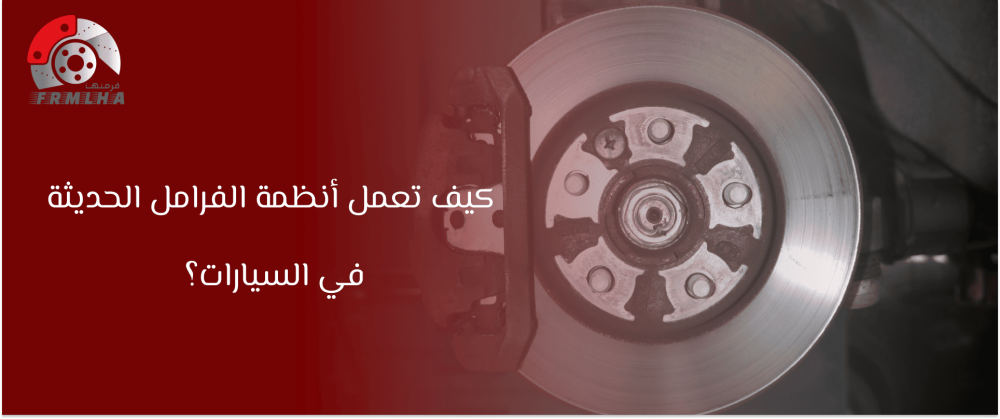

Braking systems are among the most essential components of a car, ensuring safety while driving by controlling the vehicle's speed and bringing it to a stop when needed. Braking systems have evolved significantly over the decades, with modern systems combining high efficiency and intelligent technologies to enhance safety and comfort for drivers and passengers. This article will discuss in detail how modern car braking systems work, their different types, their basic components, and the latest technologies used in them.
Components of modern braking systems
1. Brake pedal: When the driver presses the brake pedal, the system starts working. The pedal is the first point of contact through which the driver controls the brakes.
2. Master cylinder: The master cylinder converts the mechanical pressure from the brake pedal into hydraulic pressure in the brake fluid.
3. Brake fluid: Used to transfer power from the master cylinder to the pistons that press against the brake discs.
4. Brake pistons: These pistons are located inside the brake discs or cylinders, and they push the brake pads into contact with the discs or cylinders to generate the friction force needed to stop the car.
Your first destination for car brakes is Framlha store . Discover now the best types of rotors and pads with high quality and competitive prices!
How do modern braking systems work?
- Hydraulic braking system: The hydraulic system is the foundation of most car braking systems. It relies on a special fluid that transmits pressure from the brake pedal to the pistons. When the driver presses the brake pedal, the fluid inside the brake lines is forced, pushing the pistons to clamp the brake pads onto the discs.
- Anti-lock Braking System (ABS): This system helps the driver maintain control during sudden braking by preventing the wheels from locking up. It uses sensors to monitor wheel rotation speed, and when it detects a wheel locking up, it temporarily reduces pressure on that wheel, allowing it to continue rotating.
- Electronic Brakeforce Distribution (EBD): This system integrates with ABS to distribute braking force equally between the front and rear wheels, enhancing vehicle stability and preventing skidding.
- Brake Assist (BA) System: This system helps increase braking force when the brake pedal is suddenly pressed, especially in emergencies, to ensure the car stops in the shortest possible distance.
Types of modern braking systems
1. Modern disc brakes: They use metal discs with brake pads for compression, providing excellent cooling and braking performance, and are used in most modern cars.
2. Modern drum brakes: These rely on brake shoes that press against the inside of a metal drum, and are often used on the rear wheels of some cars.
3. Electronic braking systems: These systems use electrical technologies to control the brakes instead of the traditional hydraulic system, and provide higher control accuracy and better efficiency.
Take your driving to a new level with PowerStop brakes . The power you deserve and the safety you trust. Order now!
Advantages of modern braking systems
- Improved safety: Modern braking systems increase driving safety by reducing stopping distance and improving vehicle control.
- Enhanced driving comfort: Modern systems make braking smoother and less stressful for the driver.
- Higher efficiency: Modern braking systems offer stability and high performance in various driving conditions, whether in rainy weather or rough roads.
Maintenance and the importance of checking brake systems
- The importance of regular maintenance: Regularly checking brake systems helps detect any malfunctions early and avoids accidents that may result from brake failure.
- Replacing spare parts: Using genuine, high-quality spare parts prolongs the life of the system and improves brake performance.
Future technologies in braking systems
Automatic emergency braking: It relies on advanced sensors that detect the risk of collision and activate the brakes automatically without driver intervention.
Integration with artificial intelligence: Intelligent braking systems analyze driving and road data to adjust braking force and improve response to changing conditions.
ﻻ
Common mistakes in using brakes
- Sudden and continuous pressure: Constantly applying hard pressure to the brakes weakens the system. It also raises the temperature of the parts and causes premature wear.
- Neglecting regular inspections: Ignoring brake pad or fluid checks can lead to sudden deterioration. This may cause unexpected accidents or serious breakdowns.
- Relying solely on the brakes: The engine should be used to reduce speed when descending hills. This reduces the load on the system and prevents rapid wear.
- Always drive at high speeds: Excessive speed increases stopping distance. Even the strongest braking systems won't be sufficient in time.
- Ignoring warning signs: Squealing noises or brake vibrations indicate a problem. They should not be ignored; a quick inspection by a professional is necessary.
The effect of vehicle weight on braking system performance
- The relationship between weight and braking power: The heavier the car, the more braking power is needed. This requires larger and more powerful brakes to reduce stopping distance.
- Effect of overloading: Overloading negatively affects brake response. It can cause overheating and loss of effectiveness over time.
- Brake system design according to vehicle class: Brake systems are designed according to the vehicle class. Trucks require larger discs and pistons compared to smaller cars.
- Electronic weight systems support: Some systems, such as EBD, distribute braking force automatically according to the vehicle's weight distribution.
- The effect of weight on fabric wear: The more pressure the system is under due to weight, the faster the fabrics wear out, requiring regular maintenance and continuous monitoring.
Evolution of brake system manufacturing materials
Carbon and ceramic composites are used in luxury cars. They provide higher braking power and durability at high temperatures.
Fiberglass in fabrics: Fabrics now contain synthetic fibers. These reduce noise and significantly improve friction.
Lightweight metals in the discs: Some systems rely on aluminum and titanium. This contributes to weight reduction and improved performance efficiency.
Rust-preventive coatings: Some components are coated with corrosion-resistant layers. These protect the discs and pistons from rust and moisture.
Environmentally friendly innovations: Brake components are made from recyclable materials to reduce environmental impact at the end of the part's life.
Conclusion:
Modern braking systems represent a significant advancement in automotive technology, combining high performance with advanced safety features. By understanding the components and operation of these systems, drivers can appreciate their importance and maintain them properly to ensure a safer and more enjoyable driving experience.
Frequently asked questions:
What is the function of brakes?
The brakes stop the car and control its speed to ensure safety.
Are modern braking systems safer?
Yes, it provides a faster response and greater control in different conditions.
What is ABS?
A system that prevents the wheels from locking up during sudden braking.
What is the function of the EBD system?
It distributes braking force between the wheels according to the load for better balance.
Does the temperature of the weather affect the brakes?
Yes, high temperatures can temporarily reduce performance.
What is the difference between disc brakes and drum brakes?
Disc-type is more efficient, while cylindrical is less expensive and used in the back.
Do brakes require regular maintenance?
Yes, to check performance and avoid sudden breakdowns.
What is the effect of excess weight on the brakes?
The load increases brake consumption and reduces its efficiency.
How do I maintain the braking system?
By avoiding frequent sudden stops and checking them every 6 months.