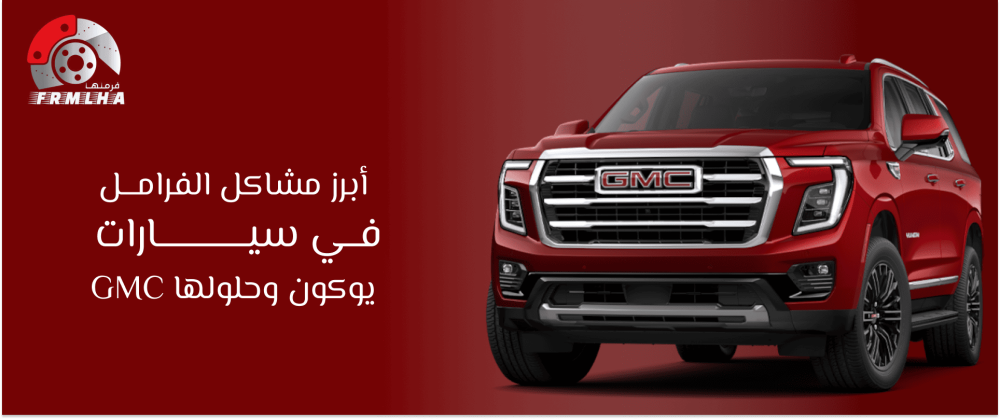
The Yukon is a large luxury SUV renowned for its durability, luxury, and power on both paved and unpaved roads. However, like any vehicle, no matter how high-quality, it can experience technical problems over time due to wear and tear or harsh operating conditions.
Brake problems in Yukon vehicles are not just a nuisance; they can pose a real risk to the safety of passengers and the vehicle if not addressed quickly and correctly. This article will discuss the most common problems, their causes, and effective solutions, along with preventative tips and additional technical information to expand your understanding of this topic.
A comprehensive look at the braking system in Yukon vehicles:
To understand brake problems in Yukon vehicles, it is important first to understand the components of the system and how it works.
Key components of the system:
- Brake pads: They press against the brake disc to create the friction necessary to stop the wheels.
- Brake rotors: Metal discs that rotate with the wheels, subject to friction with the brake pads when braking.
- Brake calipers: They hold the brake pads and press them onto the disc using hydraulic oil pressure.
- Master Cylinder: Converts foot pressure on the brake pedal into hydraulic pressure.
- Brake lines: These lines transport brake fluid from the master cylinder to the calipers.
The role of the braking system in the Yukon:
Due to the Yukon's large weight , the system was designed to be robust and withstand the heat generated by frequent braking, but with prolonged use or in harsh conditions, problems may arise that require immediate intervention.
Common problems with Yukon car brakes, their causes and solutions:
1. Weak braking power:
Weak braking power is a major brake problem in Yukon vehicles, forcing drivers to press the pedal harder to achieve the same stopping distance as usual. This can appear gradually or suddenly, posing a safety risk by increasing stopping distance, especially in emergency situations or on highways.
Reasons:
- Brake pad wear : When brake pads become too thin, their ability to create the necessary friction decreases, resulting in poor performance.
- Low brake fluid level : A lack of fluid in the system reduces the hydraulic pressure needed to operate the brakes efficiently.
- Air entering the brake lines : The presence of air bubbles impedes pressure transfer within the system, reducing braking effectiveness.
- Damaged master cylinder : The main component that pumps pressure into the system may be subject to corrosion or internal leakage.
- Damaged brake hoses : Cracks or expansion of the hoses over time can reduce braking pressure.
- Choosing low-quality spare parts : Non-original brake pads or discs may not deliver the required performance under different driving conditions.
Solutions:
- Replace the brake pads when they reach the minimum permissible thickness.
- Check the brake fluid level regularly and add the appropriate fluid recommended by the manufacturer.
- The system was bled to remove any air bubbles present in the lines.
- Repair or replace the master cylinder if it is leaking or has an internal defect.
- Change the brake hoses if they show signs of wear or expansion.
- Choosing genuine or high-quality spare parts ensures optimal performance.
Preventive tips:
- Perform a thorough inspection of the brake system every 10,000 km or according to the approved maintenance schedule.
- Make sure the brake fluid reservoir cap is tightly closed to prevent moisture or air from entering.
- Drive in a balanced manner to reduce constant pressure on the brakes.
- Avoid overloading the vehicle, which reduces the strain on the system.
- Keep a detailed maintenance log to track any changes or repairs that have been made.
2. Car vibration when braking:
Vehicle vibration when applying the brakes is one of the most common brake problems in Yukon vehicles . This is indicated by a vibration in the steering wheel or brake pedal, which becomes more noticeable at high speeds or sudden stops, causing discomfort and concern about the safety of the system.
Reasons:
- Brake disc warping : This often occurs as a result of excessive heat caused by repeated friction or improperly tightening wheel bolts after changing tires.
- Tire imbalance : Any imbalance in the tires can affect the braking system and lead to vibrations during stopping.
- Uneven brake pad wear : If the lining on one side is more worn, it creates uneven pressure on the discs.
- Loose or damaged front suspension components , such as bushings or CV joints, increase the severity of vibration when braking.
- Accumulation of dirt or rust on the disc surface : leads to rough friction during braking.
Solutions:
- Resurface or replace the brake discs if they are bent or damaged.
- Tire rebalancing using specialized adjustment devices at service centers.
- Replace brake pads if wear is uneven or if the lining reaches the minimum permissible limit.
- The entire suspension system was inspected and damaged parts were repaired or replaced.
- Clean the surface of the discs from dust or rust using specialized tools.
Preventive tips:
- Drive calmly and avoid sudden, frequent braking, especially at high speeds.
- Perform a periodic inspection of the brake discs and pads every 20,000 km or as recommended by the manufacturer.
- Ensure that the wheel bolts are tightened to the appropriate torque using a dedicated torque wrench.
- Keep tires and discs clean to reduce the accumulation of dirt and rust.
- Choosing specialized service centers to ensure the accurate installation of tires and brake components.
3. Squeaking or grinding sounds:
A squealing or grinding noise when applying the brakes is a common warning sign in Yukon vehicles , and it may be more noticeable at low speeds or during sudden stops. While the noise may sometimes be temporary, it often indicates the need for an immediate brake system inspection to ensure safety.
Reasons:
- The most common cause is the wear of the brake pads to the point where the metal base touches the disc surface.
- Dirt or sand accumulates between the shim and the disc, creating a grinding noise during rotation.
- Using low-quality brake pads or pads that are not compatible with Yukon specifications may result in annoying noises even with sufficient thickness.
- Failure to properly install the brake pads or discs after maintenance, causing uneven friction.
- Corrosion or damage to the disc surface , especially if it has scratches or pits.
- The tarpaulin material hardens due to excessive heat, causing it to make a sound when rubbed.
Solutions:
- Replace the brake pads immediately if wear is the cause.
- Cleaning the discs and tiles to remove dust or stuck objects using specialized tools.
- Choosing high-quality brake pads that conform to approved specifications for Yukon vehicles.
- Reinstall the components correctly and ensure they are securely fastened after maintenance.
- Resurface or replace the discs if they have large scratches or pits.
- Consider the breakage period for new bedding to achieve optimal, noise-free performance.
Preventive tips:
- Regularly check the condition of your cartilage and discs, especially before long trips.
- Wash the car under the body after driving in sandy or muddy environments.
- Avoid driving in a style that relies on continuous braking, which reduces heat buildup and corrosion.
- Do not rely on the cheapest spare parts if their quality is unknown.
- Perform regular maintenance at specialized service centers to maintain the efficiency and safety of the braking system.
4. Pulling the car to one side when braking:
Pulling to one side when braking is a serious brake problem in Yukon vehicles, as the driver feels a sudden swerve to the left or right, which can affect the vehicle's stability and control, especially on highways or in difficult conditions.
Reasons:
- Damaged or stuck calipers : When the brake caliper on one of the front wheels fails, the pad may press against the disc more than the other side, causing the car to swerve.
- Blockage in the hydraulic brake lines : This may prevent the fluid from flowing evenly, resulting in stronger braking on one side.
- Uneven brake pad wear : If the pad on one side is more worn than the other, the friction force will differ between the two sides.
- Tire pressure variation : A tire with low pressure changes the weight distribution on the vehicle and affects braking stability.
- Damaged suspension or steering components : Loose or damaged parts can double the lateral drag effect when braking.
Solutions:
- Inspect and maintain the calipers to ensure they are working smoothly, replacing any damaged calipers.
- Clean or replace the brake lines if there is a blockage.
- Adjust and replace the brake pads so that the wear levels are equal on both sides.
- Check the tire pressure according to the manufacturer's recommendations.
- Check the suspension and steering system and repair any damage.
Preventive tips:
- Perform a thorough brake check at the first sign of the car veering.
- Maintain the correct tire pressure and check it monthly.
- Avoid driving at high speeds if the problem exists until it is fixed.
- Perform routine maintenance on the calibers every 20,000 km to ensure their free movement.
5. Brake Fade:
Brake overheating or brake fade is considered one of the most serious brake problems in Yukon vehicles, as repeated and prolonged pressure on the pedal leads to a gradual loss of braking power, especially when descending from long inclines, which reduces stopping efficiency and increases the risk of accidents.
Reasons:
- Continuous friction and excessive heat generation : During braking, part of the car's kinetic energy is converted into heat, and if the brakes are used for long periods without stopping, the heat accumulates beyond the system's ability to dissipate it.
- Damaged or worn brake linings : A damaged lining cannot withstand high temperatures, which reduces the required friction.
- Choosing low-quality tarpaulin materials : Some types of tarpaulin lose their efficiency quickly when temperatures rise.
- Excess vehicle weight : Yukon vehicles are inherently heavy, and any increase in load doubles the load on the braking system.
- Blockage of ventilation channels in brake discs : reduces their cooling capacity.
Solutions:
- Stop to allow the system to cool down : When you feel a decrease in braking efficiency, you should stop in a safe place for several minutes until the temperature drops.
- Using engine brakes : When descending slopes, it is preferable to rely on downshifting to reduce speed rather than relying entirely on the brakes.
- Replacing brake pads and discs with high-temperature resistant materials : Using high-quality spare parts designed for heavy loads.
- Inspect and clean the ventilation channels in the discs to ensure effective cooling.
- Distributing the load evenly to reduce pressure on the front wheels.
Preventive tips:
- Avoid continuously pressing the brake pedal for long periods.
- Check the braking system regularly, especially before long trips or traveling in mountainous areas.
- Choosing high-specification brake pads and discs that suit the nature of driving the car.
- Make sure the vehicle is not carrying weights exceeding the permitted limit.
- Perform periodic maintenance on the ventilation fans and cooling ducts in the brake system.
Conclusion:
Brake problems in Yukon vehicles are a serious concern that cannot be ignored, given their direct impact on safety and security while driving. While these problems can vary in their causes and severity, regular inspections and preventative maintenance play a crucial role in avoiding them before they develop. Driver awareness of malfunction symptoms such as weak braking, vibration, or unusual noises, and taking timely corrective action, can extend the life of the braking system and maintain optimal vehicle performance. Ultimately, investing in brake maintenance is not just an option; it's a commitment that ensures a safer and more confident driving experience on all roads.
Frequently asked questions:
1- What are the causes of weak braking?
This is usually caused by worn brake linings or a lack of brake fluid, which reduces stopping efficiency.
2 - What are the signs of disc herniation?
Vibration of the steering wheel or brake pedal when pressed, especially at high speeds.
3 - What is the appropriate time to change the tarpaulin?
It is recommended to change it every 30,000–50,000 km depending on driving style and road conditions.
4 - What causes the vibration when braking?
It may be due to a bent disc or improperly balanced tires.
5 - What are the causes of high brake temperature?
Frequent and continuous pressure on the brakes, especially on long slopes.
6 - What is the best way to cool the brakes?
Stop briefly or use the engine brakes when descending.
7 - When should the brake fluid be checked?
It is recommended to check it every 3 months or before long trips.
8- What are the most important symptoms of air in the system?
The feeling that the brake pedal is soft or responds slowly.